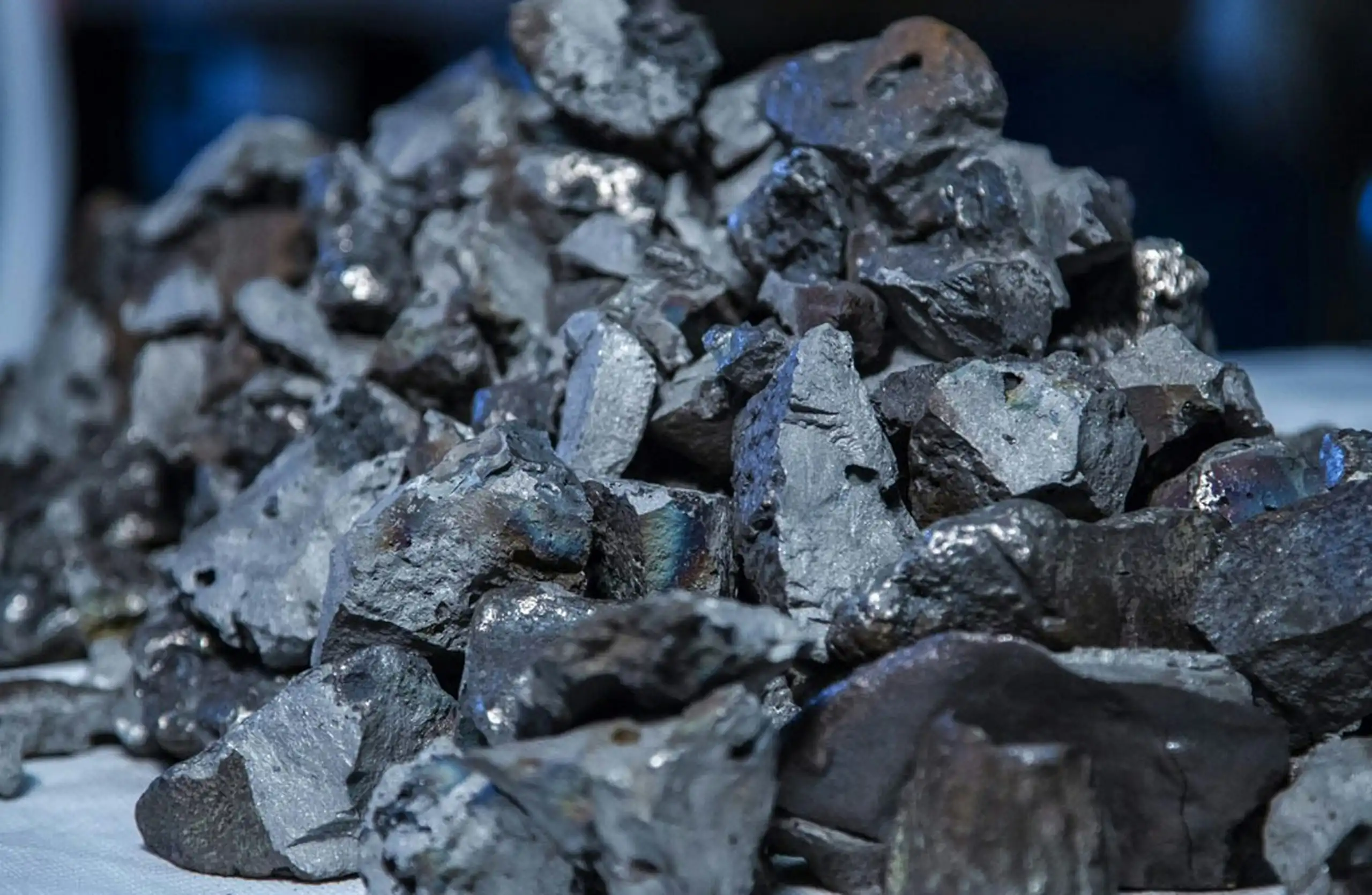
Responsible Mineral Smelters and Refiners
Pilot alignment for responsible minerals assurance data across smelters, refiners, recyclers, downstream companies, and reporting workflows.
UNTP Implementation Status
-
Planned -
In-Progress -
Pilot -
Operational
The Responsible Minerals Initiative (RMI) supports companies working to source minerals responsibly across global supply chains. Its flagship Responsible Minerals Assurance Process (RMAP) focuses on smelters, refiners, and recyclers as key “pinch points” in metals supply chains, using independent third-party assessments of management systems and sourcing practices against RMI standards.
This pilot community will explore how RMI assurance data, facility identifiers, reporting templates, and downstream due diligence workflows can be connected to the UN Transparency Protocol and the Critical Raw Materials Transparency Protocol (CRMTP). The intent is not to validate material or mines, but to make existing responsible-sourcing information easier to exchange, reference, and interpret across digital product passport and supply-chain reporting systems.
Community Focus
-
RMAP assessment interoperability:
Map RMAP assessment status, scope, assessment cycle, and applicable standard references into UNTP-compatible digital records for smelters, refiners, and recyclers.
-
Facility list and reference data alignment:
Align RMI public facility list fields, active and conformant status indicators, eligible facility data, and smelter reference list identifiers with reusable facility records.
-
Downstream reporting integration:
Support downstream companies that use RMI reporting templates and facility data to make responsible mineral sourcing decisions across complex multi-tier supply chains.
Pilot Implementation Activities
-
Facility data profile:
Define a pilot facility profile for smelters, refiners, and recyclers that references RMI identifiers, metal scope, operational role, assessment status, and relevant public-list entries.
-
Assessment evidence mapping:
Map RMAP and cross-recognized assessment outcomes to digital conformity credentials while preserving the scope limitations of RMI assessments and avoiding claims that imply mine or material validation.
-
Reporting-template bridge:
Connect facility-level credentials to common downstream due diligence workflows, including CMRT, EMRT, smelter reference lists, and country-of-origin reporting where applicable.
-
Pilot exchange testing:
Test a practical data exchange flow between a downstream company, its supplier, and a smelter/refiner record, using UNTP-compatible identifiers and verifiable status references.
Not production ready. These credentials are suitable for pilots and evaluation, not for production use, because it extends UNTP 0.7.0, which is pre-release and conformance has not been tested.
Credential Extensions
| Name | Base Credential | Status |
|---|---|---|
| ResponsibleSmelterOrRefinerFacilityRecord | DigitalFacilityRecord | Pilot |
| RMAPConformityCredential | DigitalConformityCredential | Pilot |
| ResponsibleMineralsDueDiligenceDeclaration | DigitalTraceabilityEvent | In development |
Identifier Schemes
| Name | Status | UNTP register |
|---|---|---|
| RMI Facility ID | Pilot | Candidate |
| RMI Smelter Reference List identifiers | Pilot | Candidate |
| GS1 Global Location Number | Planned | Registered |
Conformity Schemes
| Name | Status | UNTP register |
|---|---|---|
| Responsible Minerals Assurance Process | Pilot | Registered |
Software Systems
| Name | Status | UNTP register |
|---|---|---|
| RMI Facility Database | Pilot | Candidate |
| Downstream reporting template workflows | Pilot | Candidate |
These tables are generated from the UNTP Community Activation Register. To change them, change the register entry.
Community Owner
Governance
Industry-led due diligence initiative with RMI-managed standards, facility lists, reporting tools, and independent third-party assessment processes. Pilot coordination will focus on interoperability between RMAP assessment outputs, facility reference data, and UNTP-compatible traceability credentials.